The State of Civic and Economic Understanding in America
Insights into Americans’ Civic and Economic Knowledge, Skills, and Engagement
The State of Civic and Economic Understanding in America provides an annual snapshot of Americans’ civic and economic knowledge, attitudes, and participation. Drawing on a nationally representative survey of adults and teens, the report examines how well Americans understand the systems that shape their daily lives, where knowledge gaps persist, and how people engage in their communities and our democracy.
The State of Civic and Economic Understanding in America examines the knowledge, attitudes, skills, and behaviors that shape how Americans navigate civic and economic life. The report brings together findings from a nationally representative survey of adults and teens, providing a view into both current civic and economic understanding and the attitudes of the next generation. It explores three interconnected dimensions:
Knowledge: What Americans understand about civic institutions, democratic processes, and fundamental economic concepts.
Perceptions and attitudes: How Americans assess their own knowledge, their communities, and opportunities to participate.
Engagement: How people put civic understanding into practice through voting, volunteering, jury service, community involvement, and other forms of participation.
Together, these findings provide a clearer picture of where Americans are well prepared, where gaps remain, and where employers, educators, community organizations, and civic institutions can help strengthen both understanding and participation. Published by the U.S. Chamber of Commerce Foundation’s Civic Trust®, the report is intended to serve as both a benchmark and a resource for organizations working to strengthen civic knowledge, economic understanding, and participation across the country.
What the Findings Tell Us
Civic and economic readiness is about more than what people know. It is the ability to understand the systems that shape our lives, evaluate information, make informed decisions, solve problems, and participate meaningfully in our communities. These capabilities support informed participation, economic opportunity, stronger communities, and a more resilient society.
The challenge is not convincing Americans that civics matters. It is helping people translate that belief into deeper understanding, practical skills, and meaningful participation.
Americans Continue to Participate Despite Knowledge Gaps
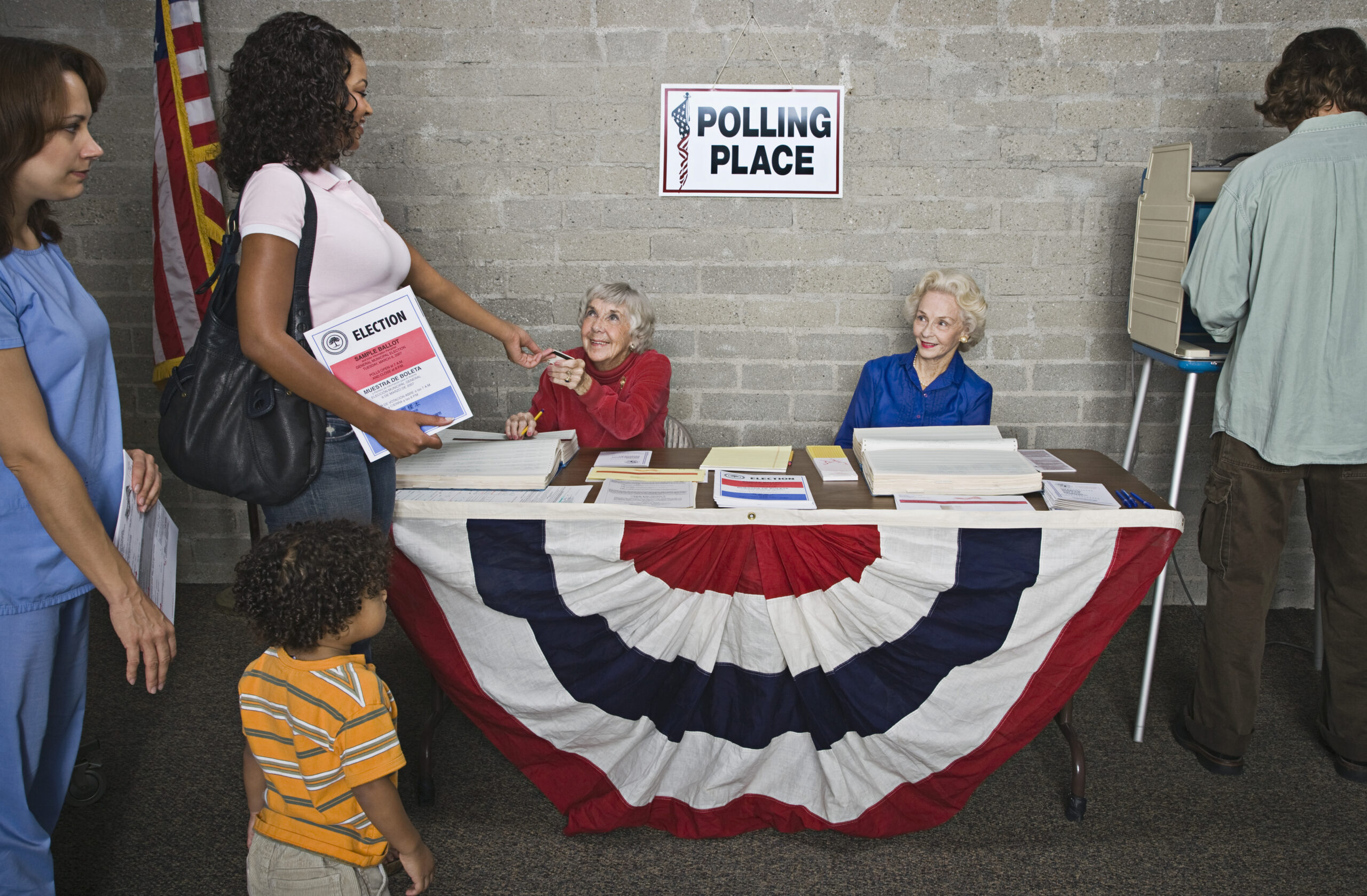
Many Americans struggle to answer civic and economic literacy questions correctly, yet participation remains strong. Notably, even among respondents who scored lowest on civic literacy measures, a substantial majority reported being very likely to vote.
Civic and Economic Literacy Remain Uneven
Americans generally perform better on questions involving prominent institutions and public figures than on questions requiring an understanding how civic systems and processes work. Economic results reveal similar gaps in understanding concepts that influence everyday economic life such as productivity, inflation, and workforce participation.
The Knowledge-Perception Gap Persists
Many Americans are confident in their understanding of civic and economic topics, but survey results reveal meaningful differences between perceived and demonstrated knowledge. Closing that gap can help individuals recognize where they need more information and make better-informed civic and economic decisions.
Civic and Community Engagement
Communities Remain a Source of Connection and Optimism
Americans’ views of civic life are not defined solely by national challenges. Many express greater optimism about their own communities, where local institutions, volunteer opportunities, organizations, and neighborhood activities provide tangible ways to connect and participate.
Americans See Many Paths to Participation
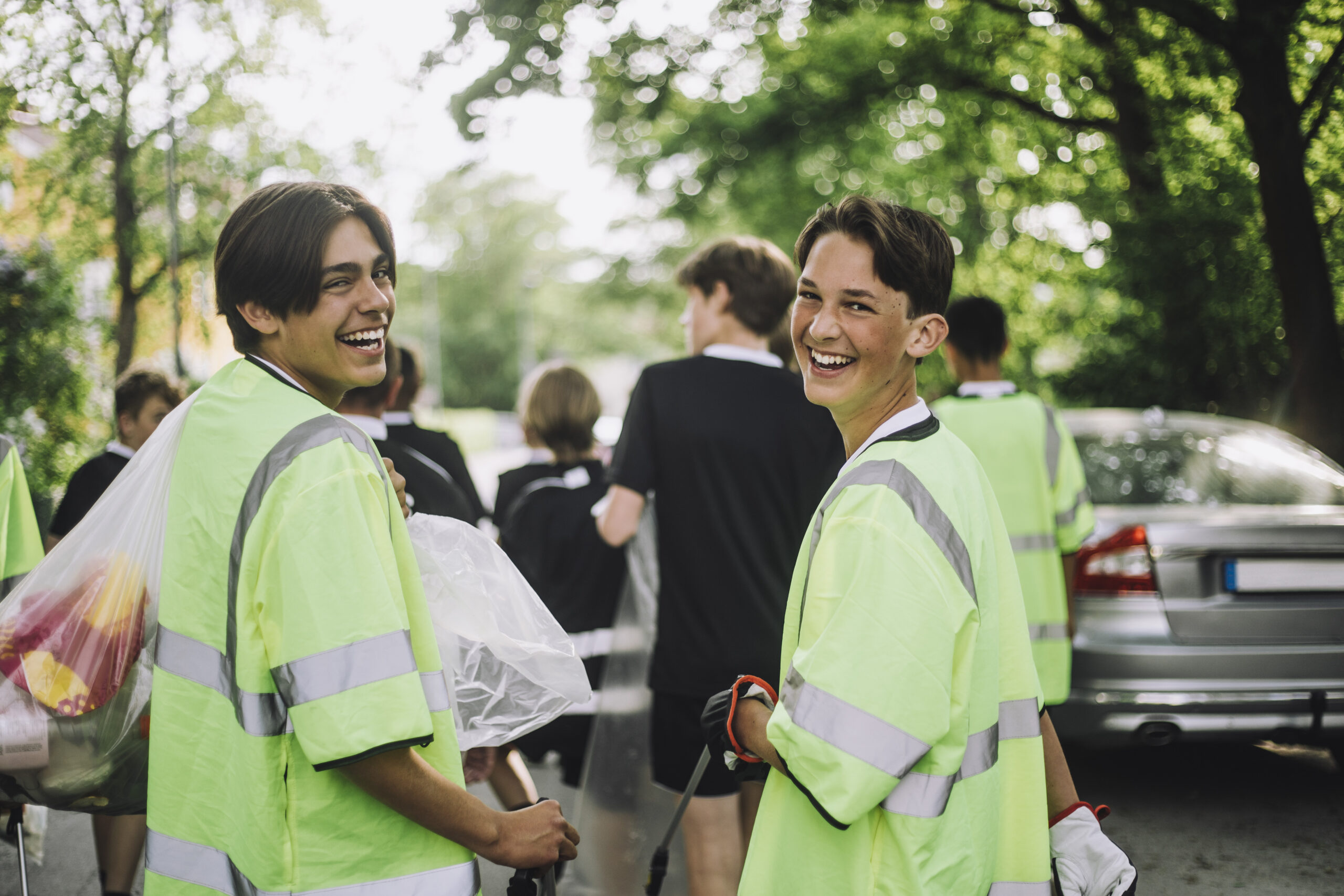
Civic participation extends beyond the ballot box. Americans recognize a range of ways to contribute, from voting and jury service to volunteering, supporting local businesses, and getting involved in their communities. These everyday actions provide important pathways into broader civic life.
Young People Show Strong Interest in Engagement
Teen respondents show interest in current events, community issues, and future civic participation. The findings point to an important opportunity: pair that interest with meaningful civic learning and real-world experiences that can help turn curiosity into lifelong participation.
Related Initiatives
Civic and economic understanding is built throughout life, not just in the classroom. People develop knowledge, skills, and habits through workplaces, community organizations, volunteer opportunities, local institutions, and everyday experiences. That creates an opportunity for institutions across society to play a role.
The Civic Trust works with partners across the country to turn these insights into action, expanding opportunities for civic learning, strengthening participation, and helping people develop the knowledge and skills to contribute to their communities and workplaces.
Civics@Work is a nonpartisan initiative that gives employers the tools and resources they need to elevate civic knowledge, skills, and disposition among a workforce that’s 168 million strong, and growing.
The National Civics Bee® is an annual competition that inspires young Americans to engage in civics and contribute to their communities. Join us in this nonpartisan initiative to enhance civic literacy, skills, and participation.
Explore More Insights
Civics
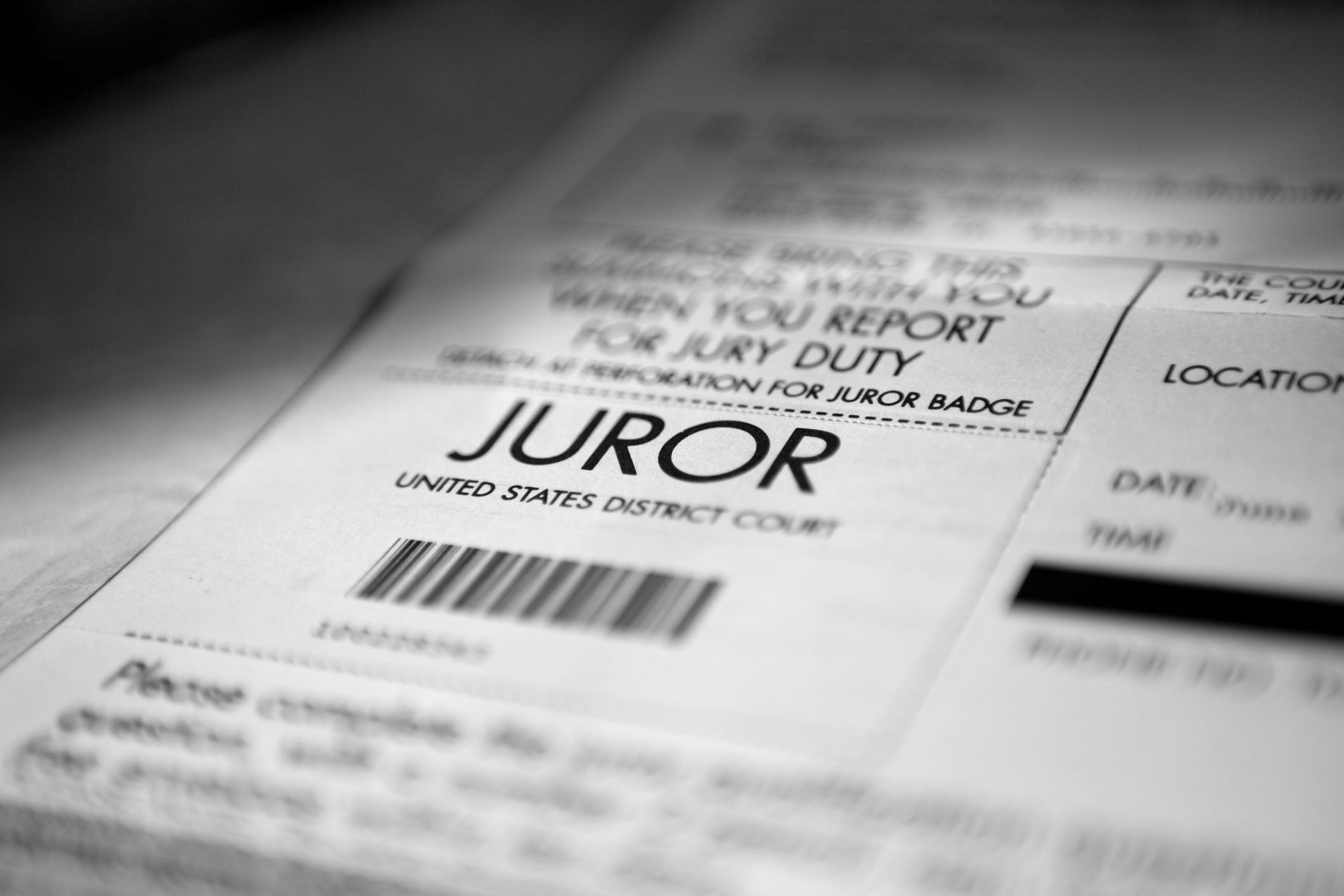
Americans Value Jury Duty. So Why Aren't More People Serving?
From workplace concerns to caregiving responsibilities, it’s financial, logistical, and informational barriers that continue to limit jury participation.
Across generations, Americans are looking for ways to get involved, our 2026 survey points to a simple solution. Local community participation offers a path to strengthen democracy from the ground up.
America’s Teens Aren’t Checked Out. They’re Looking for a Way In.
The 2026 U.S. Chamber Foundation survey shows young people are paying attention, staying hopeful, and looking for more practical ways to engage in civic life.
Civics in America Ahead of Our Country’s 250th Anniversary
In 2024 ahead of our 250th anniversary, we launched an annual survey in partnership with RXN, to understand the state of civic and economic literacy in America
Building civic and economic understanding is a shared responsibility and everyone has a role to play.
Explore the findings, share the report, and join educators, employers, community leaders, and citizens working to strengthen knowledge, participation, and opportunity across America.